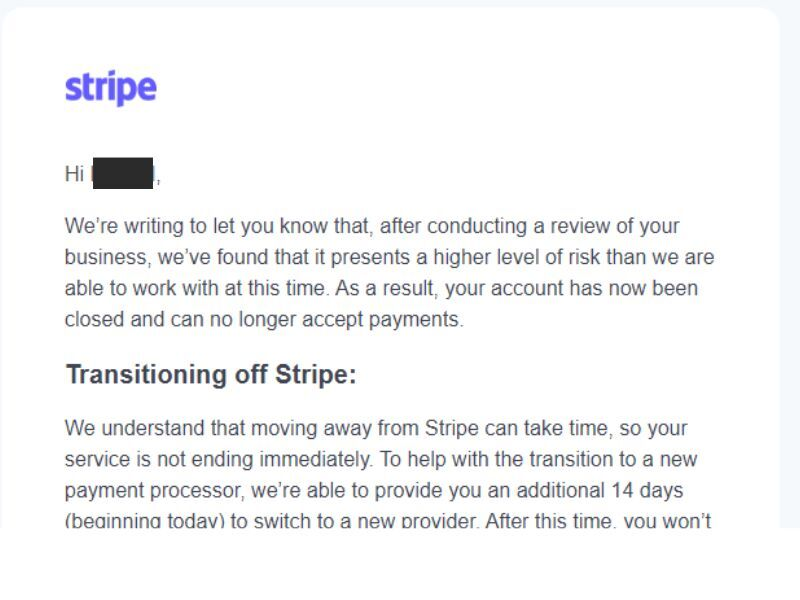
High risk chargebacks are the single fastest way for merchants to lose a payment processing account permanently — and they happen more often in high-risk industries than most business owners expect. Visa and Mastercard closely monitor dispute ratios across all merchants, and exceeding the 1% threshold can trigger reserves, monitoring programs, escalating fines to your acquiring bank, or complete termination of your payment processing.
A chargeback ratio above 1% is considered high risk by Visa and Mastercard and can lead to monitoring programs, acquiring bank fines, and merchant account termination. For high risk businesses — including supplement brands, peptide vendors, course sellers, and online casinos — even a small number of disputes can push a business over this threshold, especially at lower transaction volumes.
A chargeback occurs when a customer disputes a transaction through their bank instead of contacting the merchant directly for a refund. When a chargeback is filed, the bank reverses the transaction and pulls the funds back from the merchant account — plus a dispute fee typically between $15 and $50 per incident. The merchant then has a limited window to respond with documentation before the reversal becomes permanent.
The chargeback ratio — also called the dispute rate — is the percentage of total monthly transactions that result in chargebacks. This ratio is calculated monthly and monitored by card networks against defined thresholds. Exceeding those thresholds triggers consequences that escalate the longer the issue persists.
A chargeback ratio above 1% is considered high risk by both major card networks. Both Visa and Mastercard operate formal monitoring programs that place merchants — and their acquiring banks — under increasing scrutiny when this threshold is crossed.
According to Visa’s Dispute Resolution guidelines, Visa operates two chargeback monitoring programs:
Mastercard’s Excessive Chargeback Program places escalating fines on acquiring banks that allow high-chargeback merchants to continue processing:
Because the acquiring bank — the financial institution holding the merchant account — absorbs these fines directly, they have a strong financial incentive to terminate accounts before penalties escalate. This is why merchant account terminations for excessive chargebacks often happen without the advance warning merchants expect.
Chargeback Ratio Formula:
Chargeback Ratio = (Total Chargebacks ÷ Total Transactions) × 100
Example calculations:
For high-risk businesses processing lower monthly volumes — such as a peptide vendor handling 80 to 150 orders per month — a single dispute can push the ratio into flagged territory immediately. This is why chargeback monitoring is a non-negotiable metric for any business relying on a high-risk merchant account for processing stability.
High-risk businesses — supplement and nutraceutical brands, firearms dealers, course sellers, and online gaming platforms — see elevated dispute rates compared to standard retail due to specific characteristics of their products and billing models:
Crossing the 1% threshold places the merchant — and their acquiring bank — under formal card network monitoring. During monitoring, the acquiring bank must report monthly on the merchant’s chargeback activity and demonstrate a remediation plan. This creates immediate financial and compliance pressure on the bank that directly impacts the merchant relationship.
Acquiring banks frequently respond to elevated chargeback ratios by placing or increasing a rolling reserve — a percentage of monthly processing volume held as a security deposit against future chargebacks. For high-risk merchants already operating with reserves, this can mean an increase from 10% to 15% or higher, directly impacting cash flow without additional revenue.
When a merchant account is terminated for excessive chargebacks, the acquiring bank may add the business to the MATCH list (Member Alert to Control High-Risk Merchants) — a Mastercard-maintained database used by all acquiring banks when screening new merchant applications. MATCH list entries remain active for five years. A business on the MATCH list is significantly more difficult to board through any processor, not just the one that terminated the account.
At the point where keeping a merchant account open costs the acquiring bank more in card network fines than the relationship generates in revenue, termination occurs. Unlike standard account closures, termination for excessive chargebacks typically results in the acquiring bank holding existing processing balances for 90 to 180 days as a reserve against pending disputes — freezing revenue the merchant was counting on.
⚠️ If your chargeback ratio is trending above 0.8%, apply for a backup high-risk merchant account now — before your current processor places a reserve or issues a termination notice. Approval takes 5–7 business days. Get approved before your processor makes the decision for you →
Merchant account terminations for chargebacks rarely happen without warning signals. Most merchants miss them because they don’t know what to look for. These are the most common indicators that a merchant account freeze or termination is approaching:
The right response to any of these signals is to begin the application process for a specialized high-risk merchant account immediately — not after termination occurs. A 5 to 7 business day approval timeline means a properly documented application can result in a new account live and ready before the current processor makes the final decision.
A chargeback ratio above 1% is considered high risk by Visa and Mastercard. Visa’s monitoring program begins at 0.9% with 100 or more chargebacks per month. At 1.8% or higher, merchants enter the Excessive Chargeback tier where acquiring bank fines escalate monthly and account termination becomes likely.
The acceptable chargeback rate for all merchants — including high-risk — is below 1%. This threshold is set by Visa and Mastercard and applies universally regardless of industry or processor. While specialized high-risk processors monitor proactively and work with merchants when ratios climb, the 1% card network threshold is non-negotiable.
Key warning signs include sudden reserve increases, delayed payouts, contact from the processor’s risk department, rising dispute notifications, requests for updated documentation, and unexpected account reviews. Any of these signals should trigger an immediate application for a backup high-risk merchant account — approval takes 5 to 7 business days with documentation ready.
Yes, in most cases. Chargeback termination does not automatically prevent approval through a specialized high-risk processor. Underwriters review the full business picture — including what caused the chargeback spike and what has changed since. If placed on the MATCH list, options are more limited but not eliminated, particularly with processors who specifically review MATCH-listed applicants on a case-by-case basis.
The MATCH list (Member Alert to Control High-Risk Merchants) is a database maintained by Mastercard used by acquiring banks when screening new merchant applications. According to Mastercard’s merchant guidelines, entries remain active for five years. Being on the MATCH list makes approval more challenging but does not eliminate options with specialized high-risk processors.
Chargeback ratios are calculated monthly. With aggressive dispute management and prevention measures in place — including pre-chargeback alerts, improved refund accessibility, and faster dispute responses — a ratio can move from 2% to under 1% within 60 to 90 days. During that recovery period, the processor may apply additional reserves, but accounts can often be preserved when the merchant communicates openly and shows measurable month-over-month improvement.
Cash Discount Club specializes in high-risk merchant accounts for businesses across supplements and nutraceuticals, peptides and research chemicals, online casinos and gambling, firearms and FFL dealers, course sellers, and more. If your high risk chargeback ratio is trending up or your processor has issued warnings, apply for a backup merchant account before termination forces the decision.
Jeff is an ISO agent and high-risk payment processing specialist who has successfully boarded thousands of merchants across industries including firearms, supplements, peptides, online gaming, and digital products. Jeff works with a network of acquiring banks that specifically underwrite high-risk businesses — helping legitimate merchants find stable, long-term processing solutions when Stripe, PayPal, and mainstream processors have turned them away.